Should you build your dream home in Jackson Hole or buy an existing one and start living now? With low inventory, complex approvals, and a true four-season mountain climate, the choice is not simple. You want the right fit for your timeline, budget, design goals, and lifestyle. This guide breaks down the tradeoffs in Jackson and Teton County so you can move forward with confidence. Let’s dive in.
Quick take: build vs buy
- Choose new construction if you want high design control, modern systems, and a site tailored for views, privacy, and performance, and you can handle a 12 to 36 month path from planning to completion.
- Choose resale if you want proven neighborhood context, mature landscaping, established winter access, and a faster move-in timeline of roughly 30 to 60 days after contract.
- In Jackson Hole, permitting layers, a short building season, and a limited construction workforce can extend timelines for new builds. Resale avoids that schedule risk.
Timeline realities in Jackson Hole
Custom new construction typically involves 3 to 12 months of planning, design, and approvals, followed by about 9 to 24 months of building. Weather, plan revisions, subcontractor availability, and site logistics can add time. Expect more variability for complex or remote sites.
Spec homes can shorten this path if approvals and plans are already in place. Developers often manage workflow across multiple projects, which can speed delivery, though weather and supply chains still matter.
Resale is the fastest route to occupancy. Most contracts close in 30 to 60 days, subject to inspections and negotiations. You trade customization for speed and certainty.
Costs and carrying risks
New construction usually involves a construction-to-permanent loan with interest-only payments on funds drawn during the build. You will also carry builder’s risk insurance, property taxes on the land, utilities for the site, and possibly rent or duplicate housing costs until completion. Converting to a permanent mortgage at the end adds another step.
With resale, you take on standard ownership costs right away, including mortgage payments, property taxes, insurance, and utilities. There is no construction loan or build-period carrying cost, which can simplify cash flow.
In some parts of Teton County, wildfire exposure and remote locations can increase insurance costs. First-year operating costs can also rise for new builds as landscaping, drainage, and winter maintenance routines are established.
Design control and review
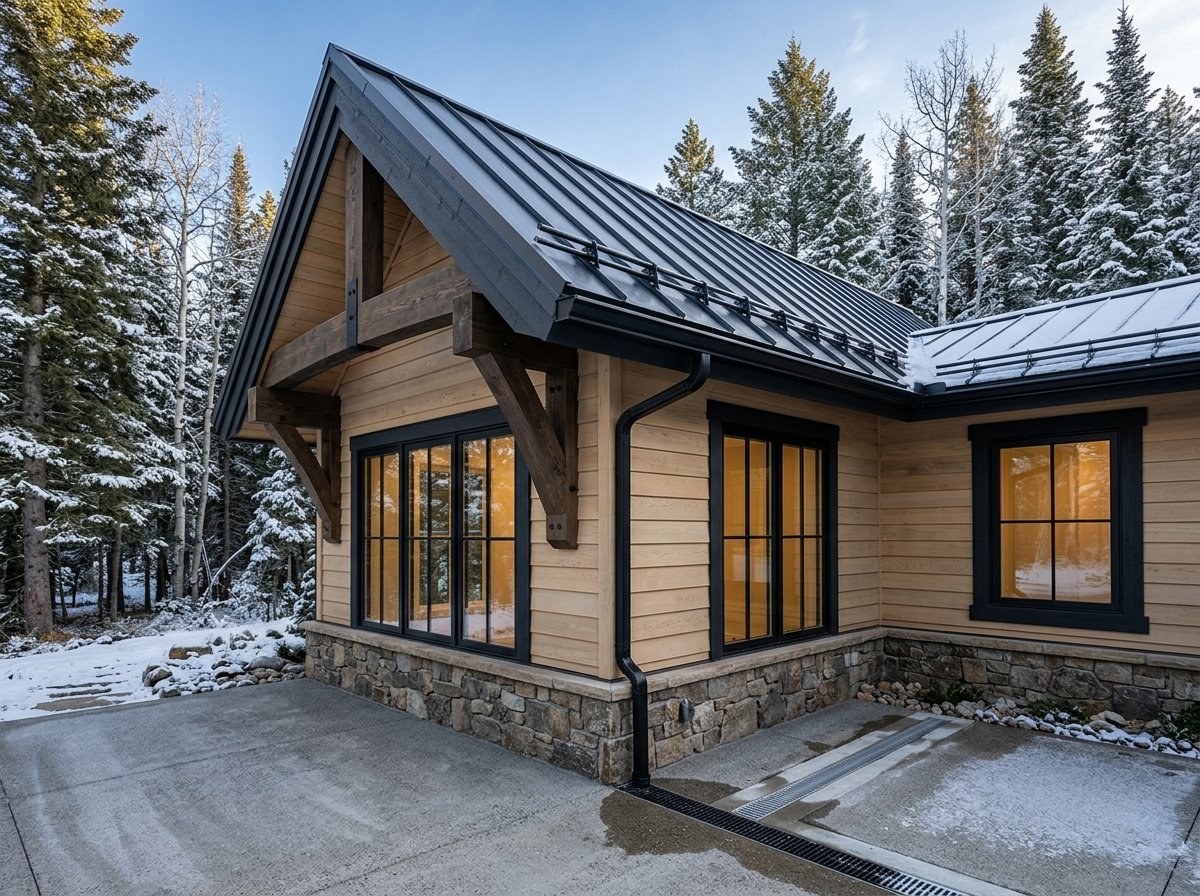
New construction offers full control over layout, performance, and finishes. You can design for Jackson Hole conditions with snow-shedding roofs, high-performance envelopes, and durable exterior materials. Orientation, window placement, and outdoor living can be planned for views, solar gain, and privacy.
Control is not unlimited. The Town of Jackson and Teton County apply land development regulations and multiple overlays that shape massing, height, materials, lighting, and site disturbance. Design review may require plan changes to protect views, wildlife habitat, and neighborhood character.
Resale delivers move-in readiness and often mature landscaping with proven drainage. You can remodel, but footprint changes or exterior updates may trigger the same approvals as a new build, and some goals may be cost-prohibitive.
Neighborhood and lifestyle fit
Established in-town neighborhoods often provide immediate proximity to services, dining, cultural venues, and community resources. Many buyers value simple commutes and walkability. New construction opportunities can be more common in newer subdivisions or farther from town.
Raw or lightly improved lots may offer more privacy and the chance to position a home for signature views. Lot features like tree cover, slope, and orientation set limits. Older properties may come with proven winter access and known snow-storage patterns.
Confirm community rules early. Many areas have CC&Rs and design committees. Short-term rental allowances, exterior maintenance standards, and guest policies vary by neighborhood and jurisdiction.
Permitting and approvals
Expect multiple review layers for new builds: zoning confirmation, site plan and design review, building permits, and potentially septic and well approvals for county parcels. Projects affecting floodplains, streams, or wetlands may require additional state or federal reviews. Pre-application meetings can clarify the path.
In the Town of Jackson, municipal water and sewer may simplify utilities, though design controls and density rules can be tighter. In unincorporated Teton County, standards differ and many parcels are within conservation or wildlife overlays that require mitigation.
Plan for several weeks to multiple months of review, with potential revisions. Local priorities typically include scale, exterior materials, dark-sky lighting, native landscape protection, and wildlife-safe practices like bear-resistant storage.
Mountain-site factors
Snow and structure
Structural design must account for high snow loads, ice management, and roof safety. Steeper roof forms, snow guards, and careful detailing reduce ice dams. High R-values and careful vapor control improve comfort and longevity.
Utilities and water
Town parcels often have sewer and water service. Many county lots rely on septic systems and wells, which require soil and percolation testing and compliance with groundwater rules. Remote sites may need propane, generators, and buried electrical service, adding cost.
Wildfire, wildlife, and water
Materials, defensible space, and landscape design affect wildfire resilience and insurance. Lighting and fencing rules aim to protect wildlife movement. Sites near streams or within floodplains may need elevation and stormwater controls.
Access and logistics
Driveway grades, snow storage, and plow access shape year-round usability. Steep or constrained sites increase staging complexity and delivery windows, especially in winter.
Financing and insurance
Construction-to-permanent loans fund the build with draw schedules and interest-only payments, then convert to a standard mortgage at completion. Lenders typically require a qualified builder, appraisals, and clear budgets. Local lenders familiar with mountain construction can streamline the process.
Homeowner insurance can cost more in wildfire-exposed or remote areas, and some carriers limit coverage in higher-risk zones. Builder’s risk insurance is standard during construction. Check how assessments will change when a new build is completed, and confirm town or district utility fees if applicable.
Resale and long-term value
High-quality, climate-appropriate new construction can command a premium when aligned with local tastes. Avoid over-customization that appeals to a narrow audience. Materials, massing, and floor plans that reflect Jackson Hole norms tend to resell better.
Resale homes in established neighborhoods benefit from proven demand and context. New subdivisions can perform well, but long-term value depends on location relative to town, amenities, and community acceptance.
Decision checklist
Use this checklist to clarify your best path:
- Timeline tolerance
- Need to live here this season or sooner: prioritize resale. Comfortable with 12 to 36 months and added variables: consider custom or spec.
- Budget and carry
- Can you support interest-only draws, builder’s risk, and possible rent while you build, plus a contingency for overruns?
- Design control
- Is full customization worth the time and process, knowing design review may require changes?
- Lot and site
- Confirm soils, percolation, floodplain elevation, snow-storage, driveway grades, and utility availability before you buy.
- Approvals appetite
- Are you ready for multi-step review and revisions under local land development regulations and any HOA rules?
- Builder selection
- Prioritize teams with Jackson Hole experience, winter logistics know-how, and wildlife and wildfire best practices.
- Financing plan
- Discuss construction-to-permanent options, draw inspections, and conversion terms with experienced local lenders.
- Insurance outlook
- Get preliminary quotes for your target area and plan for mitigation features that reduce risk.
- Resale strategy
- Design or choose a home with broad market appeal and align finishes with local expectations.
- Neighborhood rules
- Review CC&Rs, design committee processes, and any short-term rental restrictions before committing.
How we help you decide
If you are weighing build versus buy in Jackson Hole, you need more than listings. You need curated access, site and construction insight, and a plan that fits your life. We combine hands-on new-construction and spec experience with deep local market intelligence across the Town of Jackson and Teton County. We can source off-market options, evaluate buildable parcels, coordinate pre-application steps, and align you with trusted architects, builders, lenders, and insurance pros.
Ready to compare specific neighborhoods, parcels, or spec opportunities with a seasoned local advisor? Connect with Cindee George to explore a clear path forward.
FAQs
How long does a custom build take in Jackson Hole?
- Planning, design, and approvals often take 3 to 12 months, followed by about 9 to 24 months of construction, with weather, review cycles, and contractor availability affecting the schedule.
What approvals are required to build in Teton County or the Town?
- Most projects need zoning confirmation, site and design review, building permits, and septic or well permits for county lots. Floodplain or environmental impacts can trigger additional reviews.
Can I build on a county lot without municipal sewer and water?
- Many county parcels rely on septic and wells, which require soil and percolation testing and compliance with groundwater and health rules. Verify feasibility before you purchase.
How do construction-to-permanent loans work here?
- You draw funds in stages during the build and pay interest only on amounts drawn, then convert to a permanent mortgage at completion. Lenders usually require a qualified builder, appraisals, and inspection checkpoints.
What insurance should I plan for during and after a build?
- Builder’s risk insurance is typical during construction. Homeowner premiums can be higher in wildfire-exposed or remote areas, so getting quotes early helps you budget.
Are short-term rentals allowed throughout Jackson Hole?
- Allowances vary by jurisdiction and neighborhood, and many areas have strict rules. Review local ordinances and any HOA or CC&R restrictions before you rely on rental income.