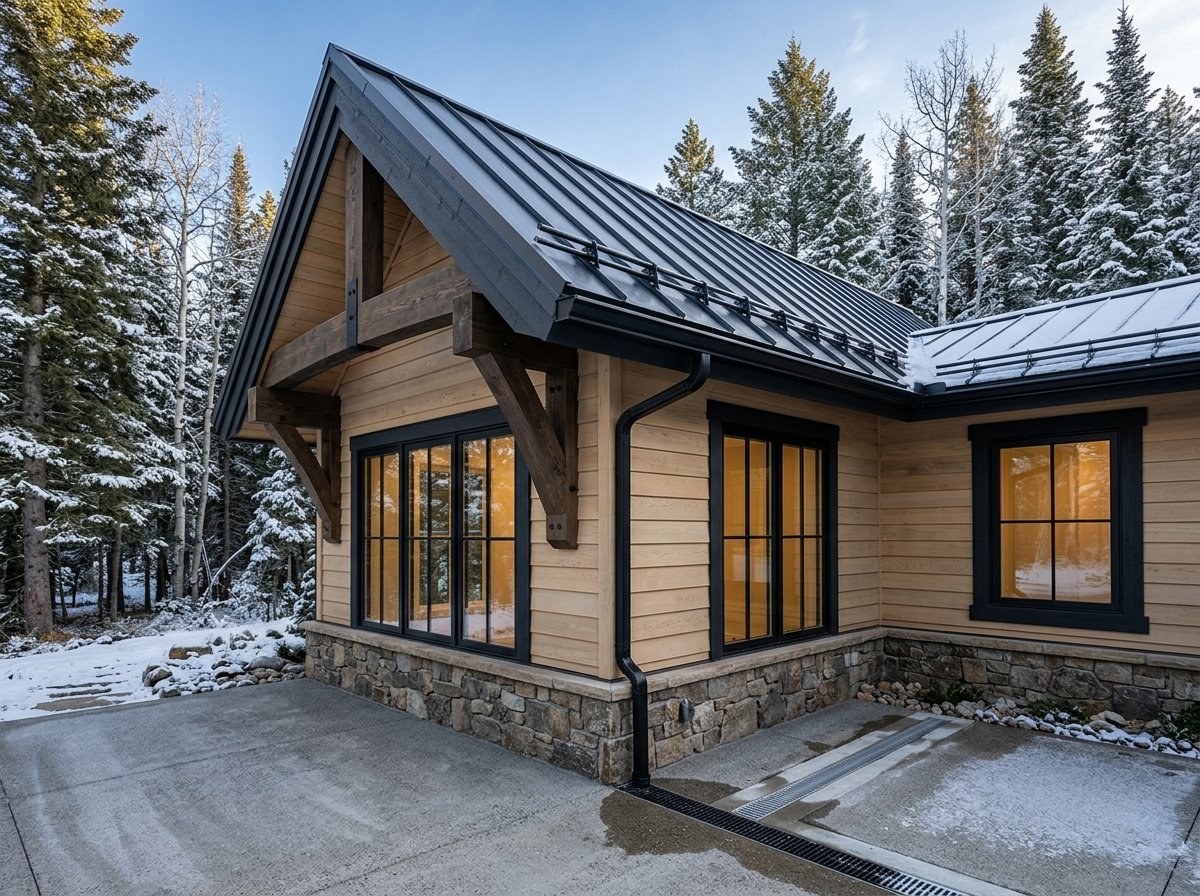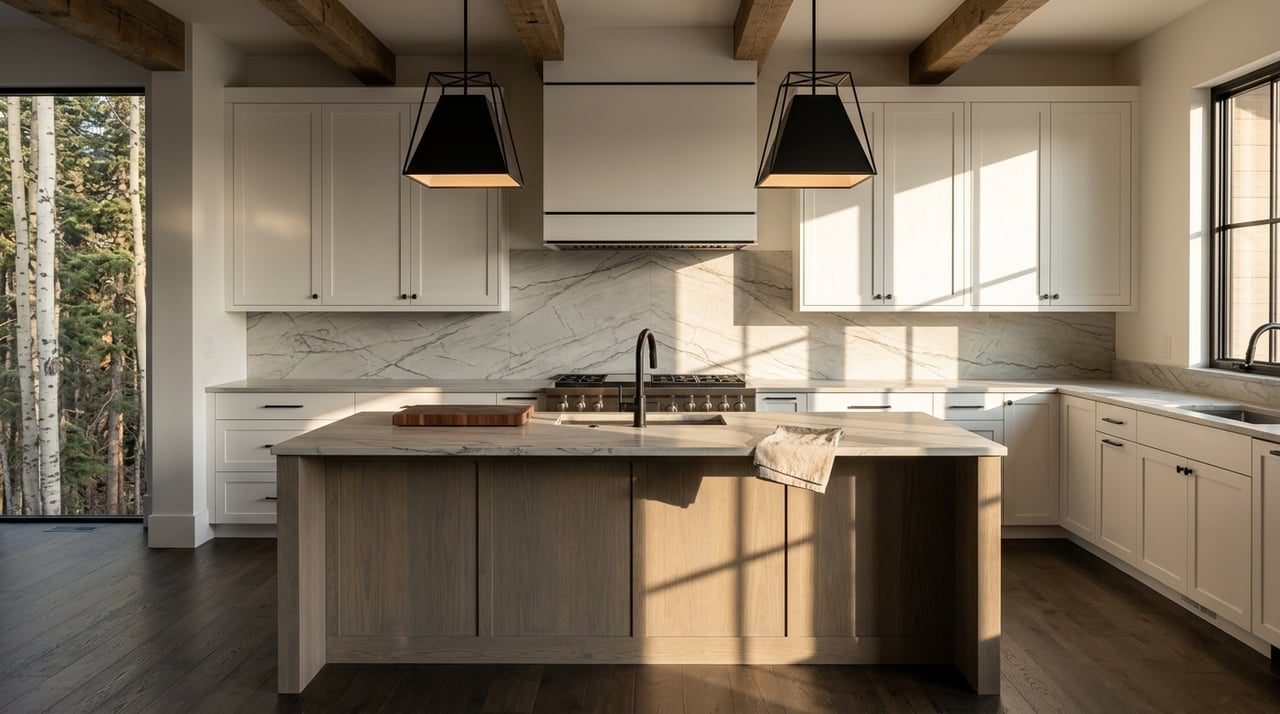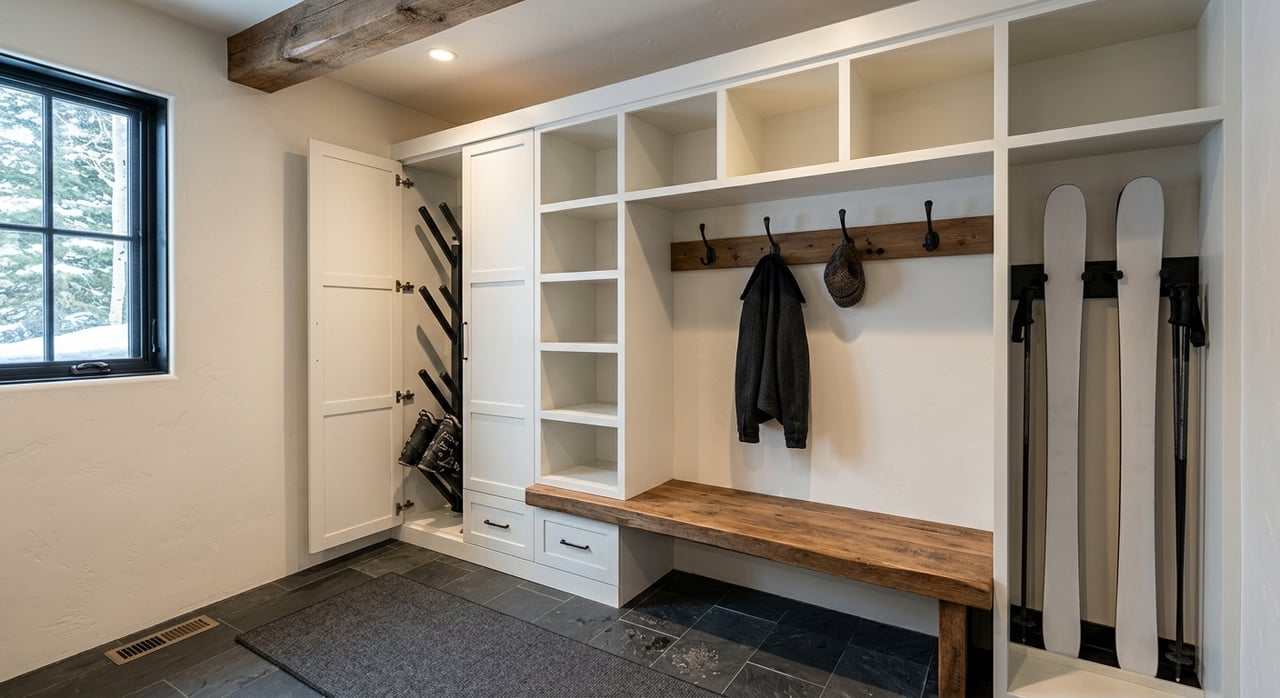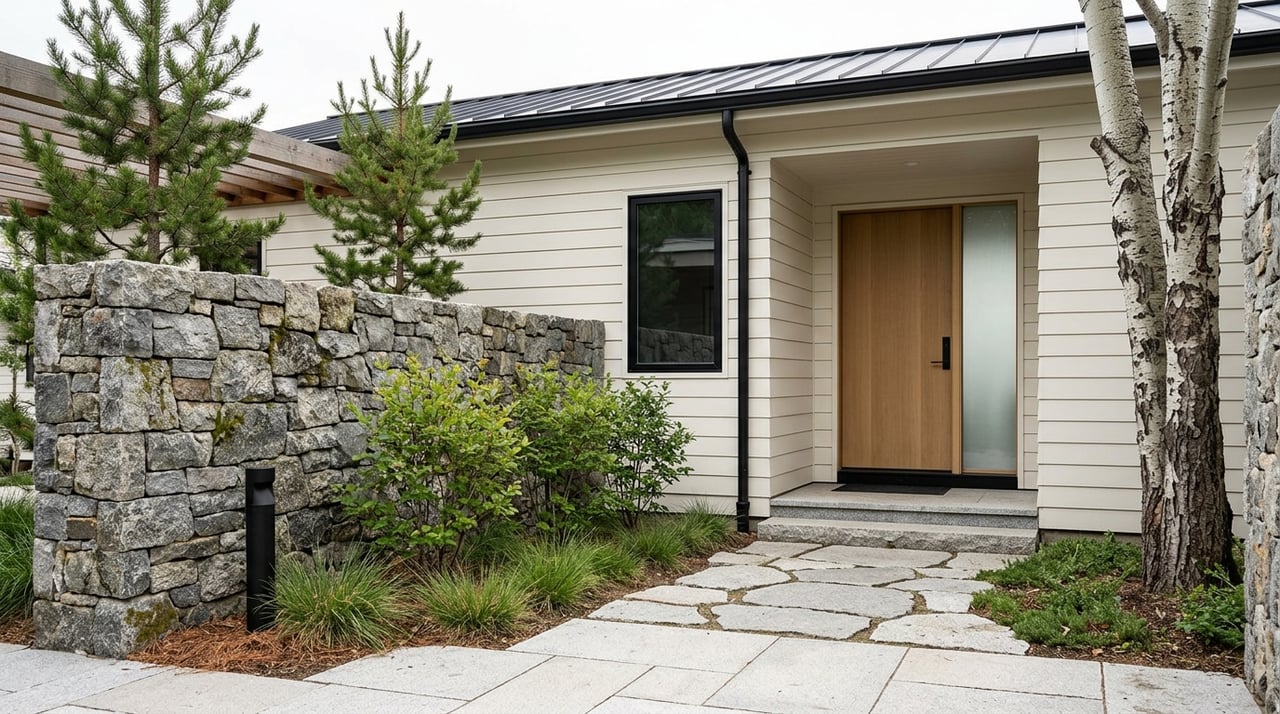
Wondering why two Jackson Hole properties with similar acreage can offer completely different ownership experiences? In Teton County, conservation rules, open space protections, and scenic regulations shape how land can be used, improved, and enjoyed over time. If you are considering a home, ranch, or build site here, understanding those layers can help you avoid surprises and make a more confident purchase. Let’s dive in.
Why Conservation Matters in Jackson Hole
Jackson Hole is not a market where private property exists in isolation. According to Teton County’s 2024 Community Wildfire Protection Plan, roughly 97% of Teton County is publicly owned, including major public lands such as Grand Teton National Park, national forests, the National Elk Refuge, and other protected holdings.
That matters because when you buy here, you are often buying within a landscape defined by protected land, wildlife habitat, scenic resources, and long-term planning goals. The county’s comprehensive plan serves as a guide for land use, open space, agriculture, housing, transportation, and community character, while land development regulations govern what can actually be done on the ground.
For you as a buyer, this means value is not just about the house or lot itself. It is also about how the surrounding land is protected, what future development may be limited, and which rules may affect ownership over time.
What Open Space Really Means
“Open space” sounds simple, but in Jackson Hole it can mean different things depending on the parcel and the legal documents behind it. Some open space is public land. Some is private land that is permanently restricted for conservation purposes. Some is required as part of a development approval process.
Teton County’s land development regulations require open space to serve public-benefit purposes such as wildlife habitat and migration corridors, scenic vistas and natural skylines, natural waterbodies, agricultural activities, public pathways, and access to public lands. In the code, wildlife habitat and migration corridors are ranked first, followed by scenic vistas and natural skylines.
This helps explain why open land near a property can feel so valuable while still being subject to limits. That land may support views, habitat, and a sense of space, but it may not function like a neighborhood park or recreation area.
Open Space Does Not Always Mean Public Access
One of the most common buyer misunderstandings is assuming open space behind or beside a property is available for personal use. That is not always the case. As the Teton Regional Land Trust explains, a conservation easement does not automatically create public access.
In practice, adjacent open space may preserve your view or reduce nearby development potential, but it may still be private land. Before you buy, it is important to confirm whether that land is public, private under easement, or restricted for a specific conservation purpose.
How Conservation Easements Affect Buyers
A conservation easement is a voluntary legal agreement between a landowner and a qualified organization that limits certain uses of the property in order to conserve natural or traditional values. The Teton Regional Land Trust notes that these agreements often limit things like large-scale subdivision while allowing continued private ownership.
Teton County regulations add another layer. The county states that required conservation areas must be restricted in perpetuity through a recorded real-property right, with monitoring and enforcement rights for the grantee. The restriction must also identify a principal conservation value and only allow uses consistent with that value, according to the county’s land development regulations.
For buyers, the result is straightforward: two parcels with similar size and scenery may offer very different flexibility. One may allow a broader building envelope or site plan, while another may be shaped by recorded restrictions that control where development can occur, what improvements are allowed, and how the land must be stewarded long term.
Why Recorded Documents Matter
If a property includes conservation protections, the details are not something to gloss over. The recorded easement, subdivision restrictions, or master plan may affect development location, permitted uses, future expansion, and site design.
That is especially important if you are considering a custom build, a legacy ranch purchase, or a parcel with investment potential. In Jackson Hole, legal documents often tell as much of the property story as the marketing remarks do.
Scenic Rules Shape the Built Environment
In Jackson Hole, scenic protection is not just an abstract planning goal. It directly affects how development is placed and designed. Teton County’s Scenic Resources Overlay exists to preserve and maintain the county’s most frequently viewed scenic resources.
Within scenic areas, the county regulates the location, design, landscaping, and lighting of development so that new construction complements the landscape. The county’s findings specifically highlight broad meadows and mountain views along major road corridors as defining parts of local character and economy.
That means the views you love are supported by actual rules, not just market preference. It also means a future home, addition, accessory structure, or site improvement may be reviewed with those scenic goals in mind.
Design Can Be Affected by View Corridors
The county code gives practical examples of how scenic protections influence development. Larger buildings facing public view corridors or existing residential areas must use varied rooflines and structural articulations to reduce bulk and scale. The regulations also indicate that maintenance or storage buildings should have low visibility from public view corridors.
Current county code materials also show that exterior colors visible from roads or scenic roads may need to blend with the terrain using muted, earthy hues. For buyers planning a build or remodel, this is an important reminder that design freedom may be guided by the broader landscape setting.
Wildlife and Land Stewardship Are Part of Ownership
In Teton County, conservation affects daily ownership, not just entitlement strategy. The county’s FAQs explain that new fencing must meet wildlife-friendly standards, and wildlife-feeding rules prohibit intentional or unintentional feeding and limit attractants that may draw animals onto private property.
These are not niche rules that only apply to large ranches. They can affect a range of residential properties across the county. If you are moving from a more conventional suburban or urban market, this is one of the clearest examples of how Jackson Hole ownership can come with a different stewardship mindset.
The county also ties agriculture to wildlife habitat, scenic quality, and the local tourism economy in its land development regulations. That helps explain why ranchland and working landscapes are often part of the same conservation framework rather than separate from it.
What Buyers Should Review Before Making an Offer
Before you move forward on a Jackson Hole property, it is worth slowing down and asking a few precise questions. The county’s FAQs note that a Natural Resource Assessment is required before any physical development permit or new use in the county, and a zoning compliance verification can be used for review of visual resources within the Scenic Resource Overlay.
That does not mean every property is unworkable. It does mean your due diligence should go beyond standard square footage, views, and finishes.
Key Items to Check
- Whether the parcel is within the Natural Resources Overlay, Scenic Resources Overlay, or another overlay
- Whether there is a recorded conservation easement, subdivision restriction, or master plan affecting the site
- Whether nearby open space is public land or private land with conservation restrictions
- Whether fencing, lighting, grading, or other site improvements may be limited by county rules
- Whether the property’s visual setting could affect future design review or permitting
Even grading and landform changes can receive added scrutiny in scenic or protected areas. Teton County’s approach shows that the appearance of the land itself is part of the ownership experience, not just the structure placed on it.
What This Means for Luxury Buyers and Land Buyers
For luxury homebuyers, conservation and open space can be a major part of what makes a property feel rare. Protected surroundings, preserved view corridors, and limited nearby development can support privacy, setting, and long-term enjoyment. At the same time, those same protections may influence what you can change later.
For land buyers, builders, and developers, the implications are even more technical. Overlay districts, recorded restrictions, and scenic review can shape siting, architecture, infrastructure planning, and project timelines. A parcel’s opportunity is best understood through both its location and its governing documents.
This is where local, construction-aware guidance matters. If you are evaluating a buildable lot, a ranch property, or a home with expansion potential, you want a clear picture of how conservation frameworks affect real-world use, not just abstract value.
Buying With Clarity in Jackson Hole
In Jackson Hole, conservation is not a side issue. It is part of the foundation of the market. Open space, scenic protections, wildlife standards, and easements all help define what makes this landscape exceptional, and they also shape what ownership looks like once you close.
The right property is not just the one with the best first impression. It is the one that aligns with how you plan to live, build, or invest within the county’s long-term conservation framework. If you want help evaluating a property, understanding land-use context, or identifying discreet opportunities that fit your goals, connect with Cindee George.
FAQs
What does open space mean for Jackson Hole property buyers?
- Open space may be public land, private land under easement, or land restricted through county regulations, so you should confirm ownership and access rights before you buy.
What is a conservation easement on a Jackson Hole property?
- A conservation easement is a legal agreement that limits certain land uses to protect conservation values, and it can affect development location, subdivision potential, and long-term stewardship.
Can you build on land with conservation restrictions in Teton County?
- Sometimes yes, but any development must comply with the recorded restrictions and the applicable county review process.
Do scenic rules affect home design in Jackson Hole?
- Yes, properties in scenic areas may be subject to regulations on building placement, scale, landscaping, lighting, and exterior visibility.
Do wildlife rules apply to residential properties in Teton County?
- Yes, county rules on wildlife-friendly fencing and limiting animal attractants can affect many private residential properties, not just large ranch parcels.
What should Jackson Hole buyers review before purchasing land or a home?
- You should review overlays, recorded easements, subdivision restrictions, master plans, and any county requirements that may affect future improvements or use.